Why My Dad's Hardware Store Never Had a Website (And What It Cost Him)

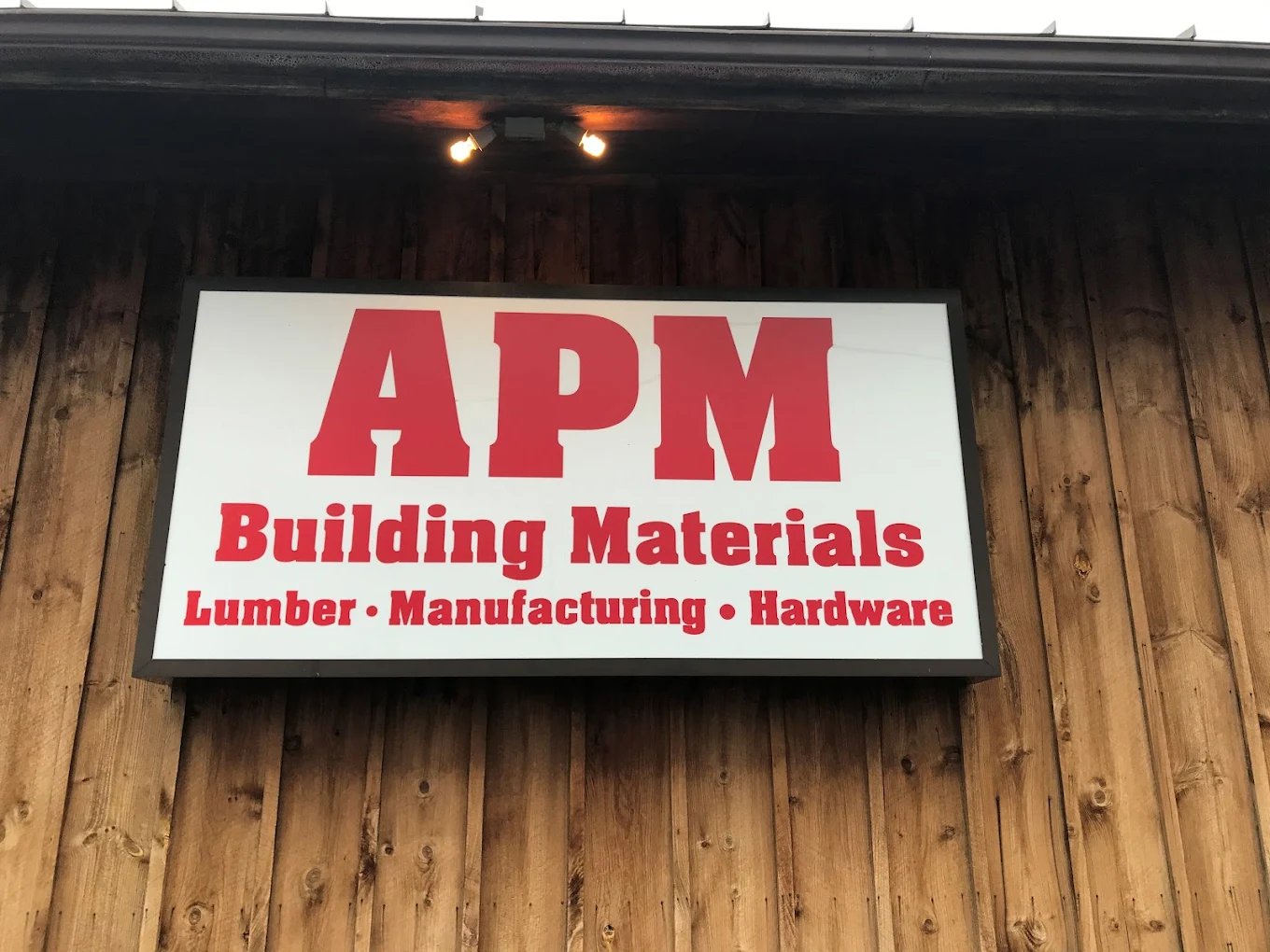
I was four years old the first time I stood behind a counter. My dad's hardware store in Gettysburg, PA was the kind of place where everyone knew your name, where contractors would come in at 6 AM for supplies and stay for coffee, and where my job was to sweep the floors and try not to knock anything off the shelves.
That store — and later my family's restaurant — taught me everything I know about small business. The early mornings. The razor-thin margins. The way you learn to read a customer's face before they even tell you what they need.
But there's one thing my dad never figured out: getting online.
The Yellow Pages Era
For years, the hardware store's marketing strategy was simple. A listing in the Yellow Pages, a sign out front, and word of mouth. And honestly? It worked. For a while.
But I watched what happened when the big box stores moved into the area. They had websites. They had Google listings. They had online inventory. When someone new moved to town and searched "hardware store near me," they didn't find us. They found Home Depot.
My dad wasn't technophobic — he was busy. Running a small business is a 70-hour-a-week job. Learning to build a website, or spending $5,000 to hire someone to do it, was never going to make the priority list when there were orders to fill and employees to manage.
The Real Cost of Being Invisible Online
Here's what most people don't realize about not having a website: you don't see the customers you're losing. Nobody walks in and says "I almost went to your competitor because I couldn't find you on Google." They just go to your competitor. Quietly.
Studies show that 97% of consumers search online for local businesses. Nearly 30% of small businesses in the US still don't have a website. That's almost 10 million businesses that are invisible to the majority of their potential customers.
For my dad's store, the math was brutal. Even if a website brought in just 5 extra customers a week at an average ticket of $40 — that's over $10,000 a year in revenue. Over a decade, that's six figures left on the table. For a business running on thin margins, that's the difference between thriving and just surviving.
The Problem Wasn't Laziness — It Was the Options
After college, I tried to help. I looked into the options available to small businesses like my dad's:
- Hire a web agency: $3,000 to $10,000 upfront, weeks or months of back-and-forth, and a site that's outdated the day it launches.
- DIY website builders: Cheaper, but you need hours to learn the platform, pick a template, write copy, find images, and figure out hosting. My dad wasn't going to spend his one evening off dragging and dropping boxes on a screen.
- Do nothing: The easiest option, and the one most small business owners pick by default.
Every solution assumed the business owner had either money, time, or technical skills. Most small business owners have none of the three to spare.
Why I Built Pixlel
That gap — between what small businesses need and what the market offers — is why I built Pixlel.
The idea was simple: what if you could describe your business in a few sentences and have a professional, mobile-ready website generated in 90 seconds? No templates to browse. No drag-and-drop editors to learn. No $5,000 invoice.
And when you get stuck or want something changed? You talk to a real person. Not a chatbot. Not a help article. A human who picks up the phone.
That's Pixlel. It's the tool my dad's hardware store needed. It's the tool my mom's restaurant needed. It's the tool that 10 million American small businesses need right now.
What I'd Tell My Dad Today
If I could go back and talk to my dad during those years when the store was struggling against the big boxes, I'd tell him this: you don't need a fancy website. You don't need to learn to code. You don't need to spend thousands of dollars.
You just need to be findable. That's it. When someone in Gettysburg searches "hardware store near me," you need to show up. Everything else — the relationships, the expertise, the service — you already have. You just need to be visible.
That's what Pixlel does. In 90 seconds.
Your Turn
If you're a small business owner reading this — a contractor, a cleaner, a landscaper, a plumber, anyone — and you don't have a website yet, I get it. I grew up watching how hard you work. I know a website feels like one more thing on an already impossible list.
But it doesn't have to be. Try Pixlel for free. Describe your business, see your site in 90 seconds, and decide if it's worth $69 a month to stop being invisible.
My dad's store eventually closed. I can't say a website would have saved it. But I know it would have helped. And I know there are millions of businesses out there right now that are one website away from reaching the customers who are already looking for them.
Don't be invisible. You're too good at what you do for that.